01 - Real client
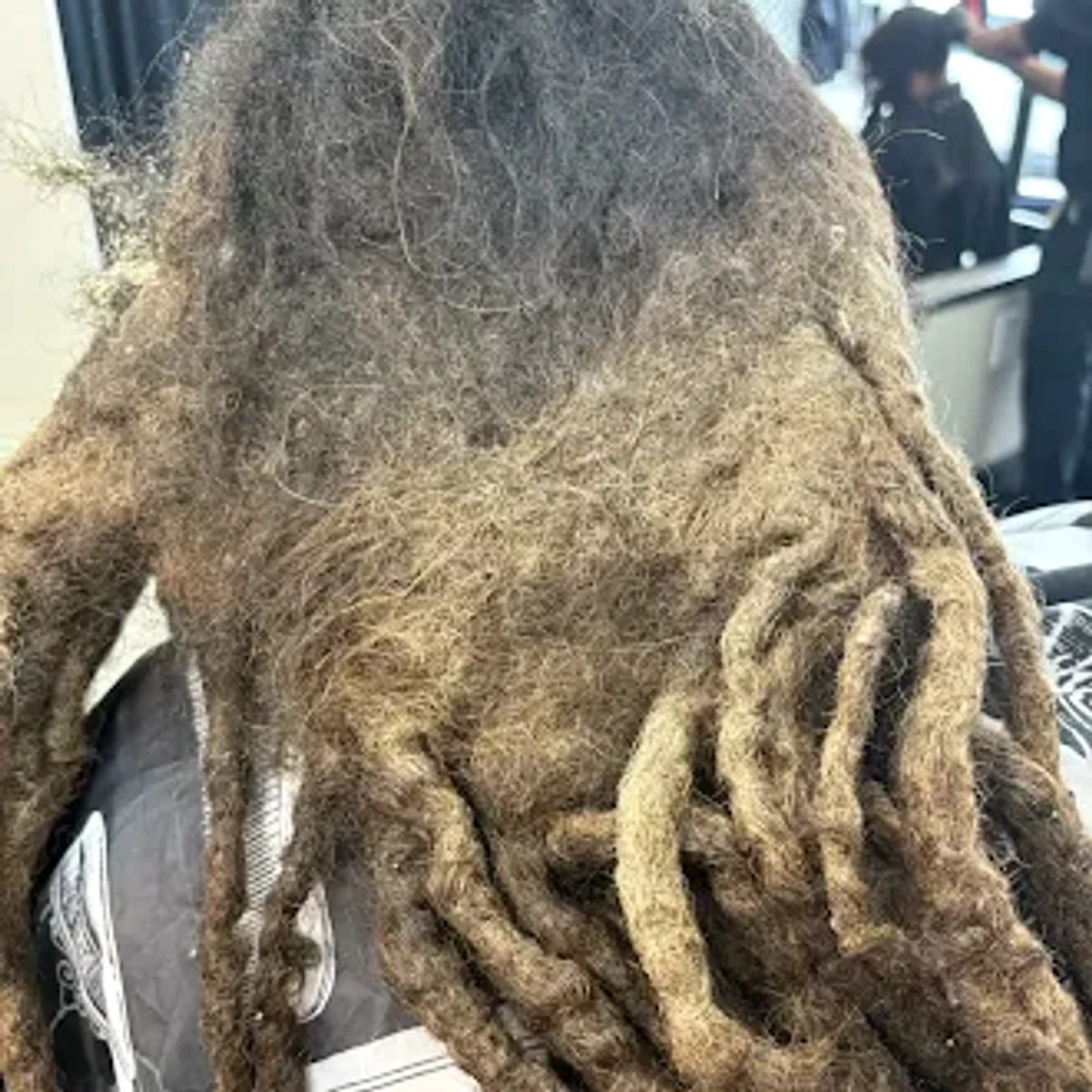
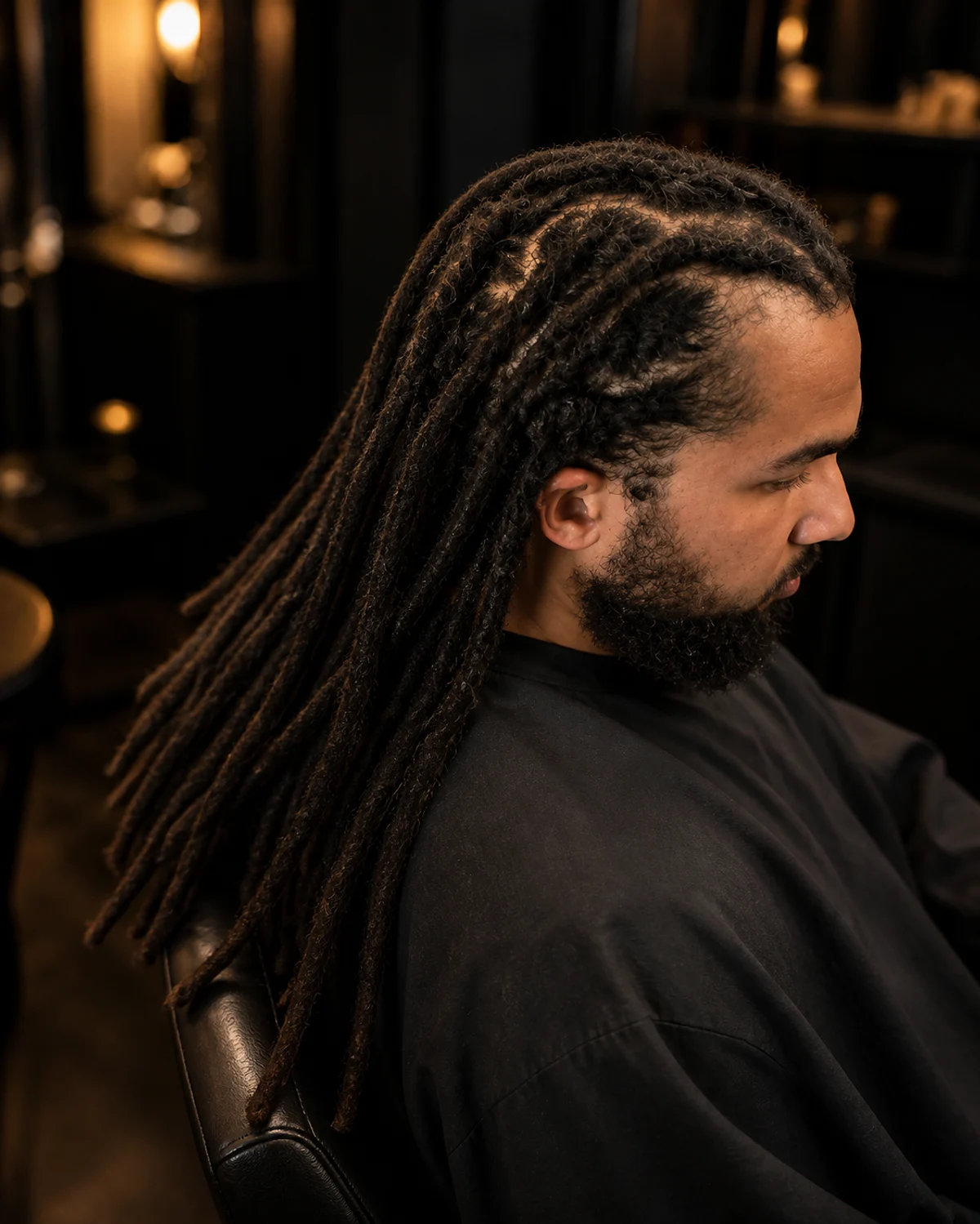
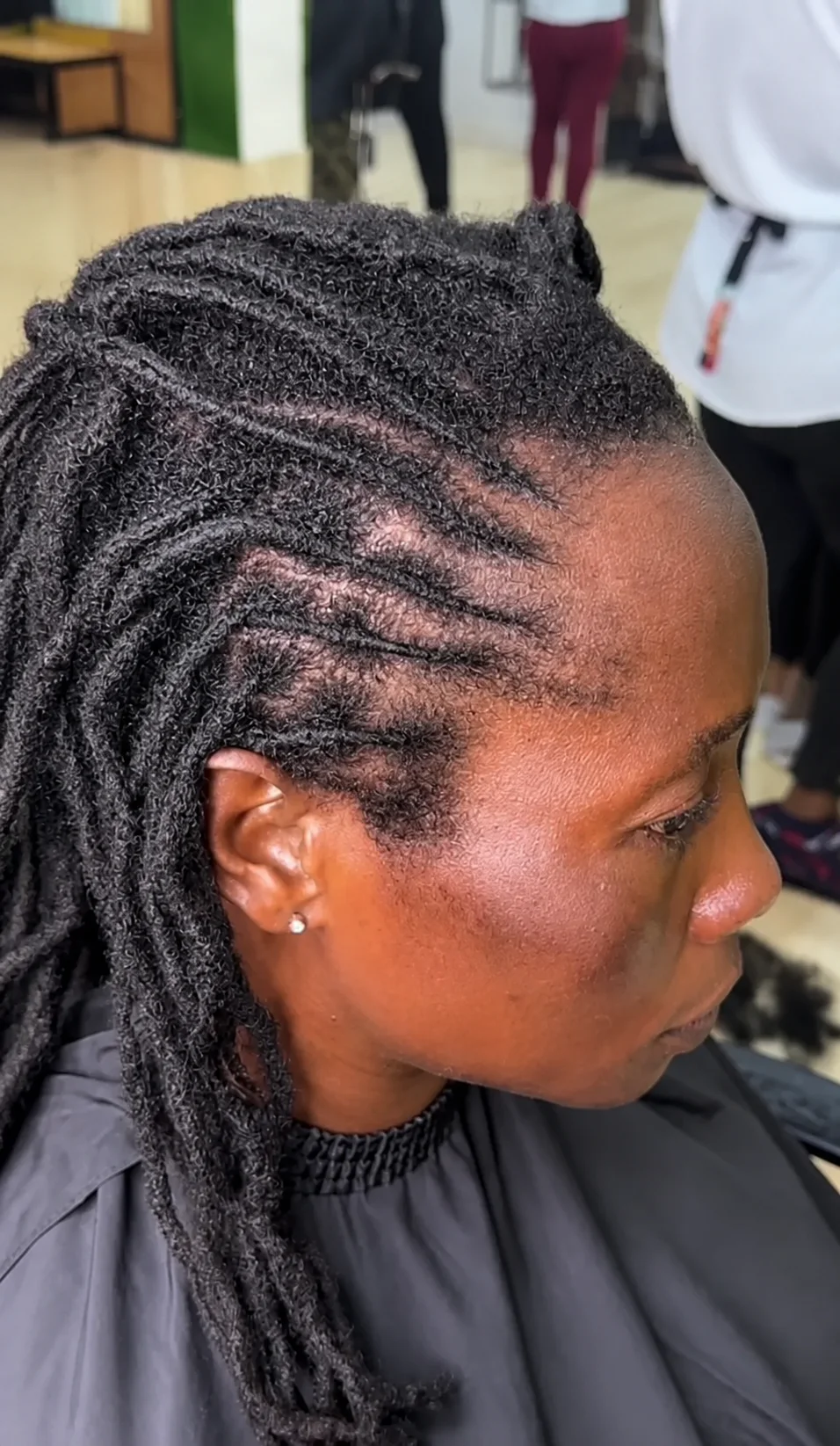
From severe matting to separated locs
A documented multi-angle restoration showing the condition on arrival and the finished loc separation and repair.
Book this serviceRepair and restoration
Broken, thinning, weak, or missing locs deserve a plan built around the cause, the surrounding hair, and what can be supported safely over time.
Assessment first
Repair - Reinforce - RebuildTension, breakage, chemical history, dryness, inconsistent maintenance, buildup, thinning areas, and previous repair methods can all affect what is possible. The salon needs to see the foundation before choosing a technique.
Documented client results
These are Charlotte's real before-and-after repair stories. Every head of hair is different, so consultation determines what your foundation can safely support.
Book loc repairA documented multi-angle restoration showing the condition on arrival and the finished loc separation and repair.
Book this service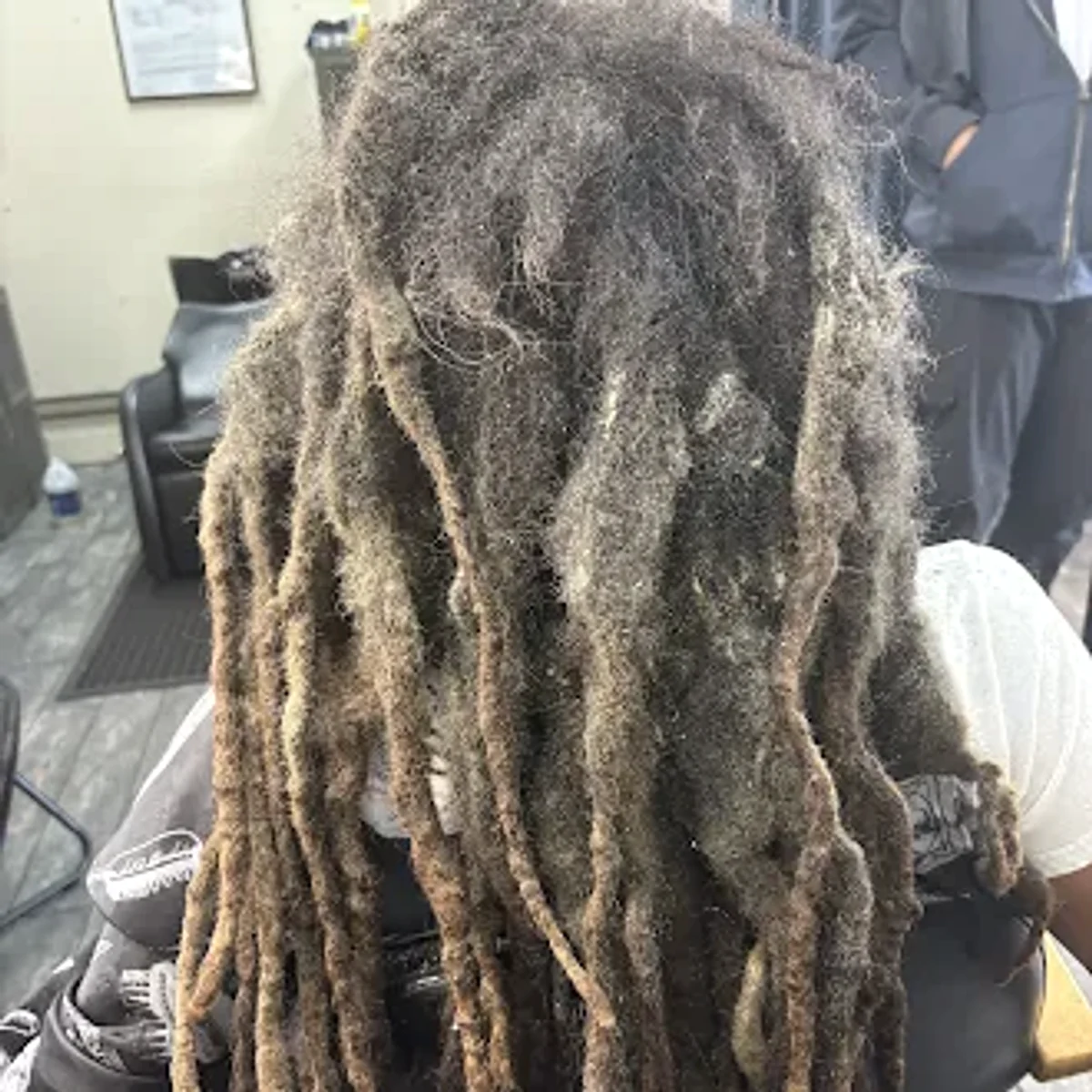
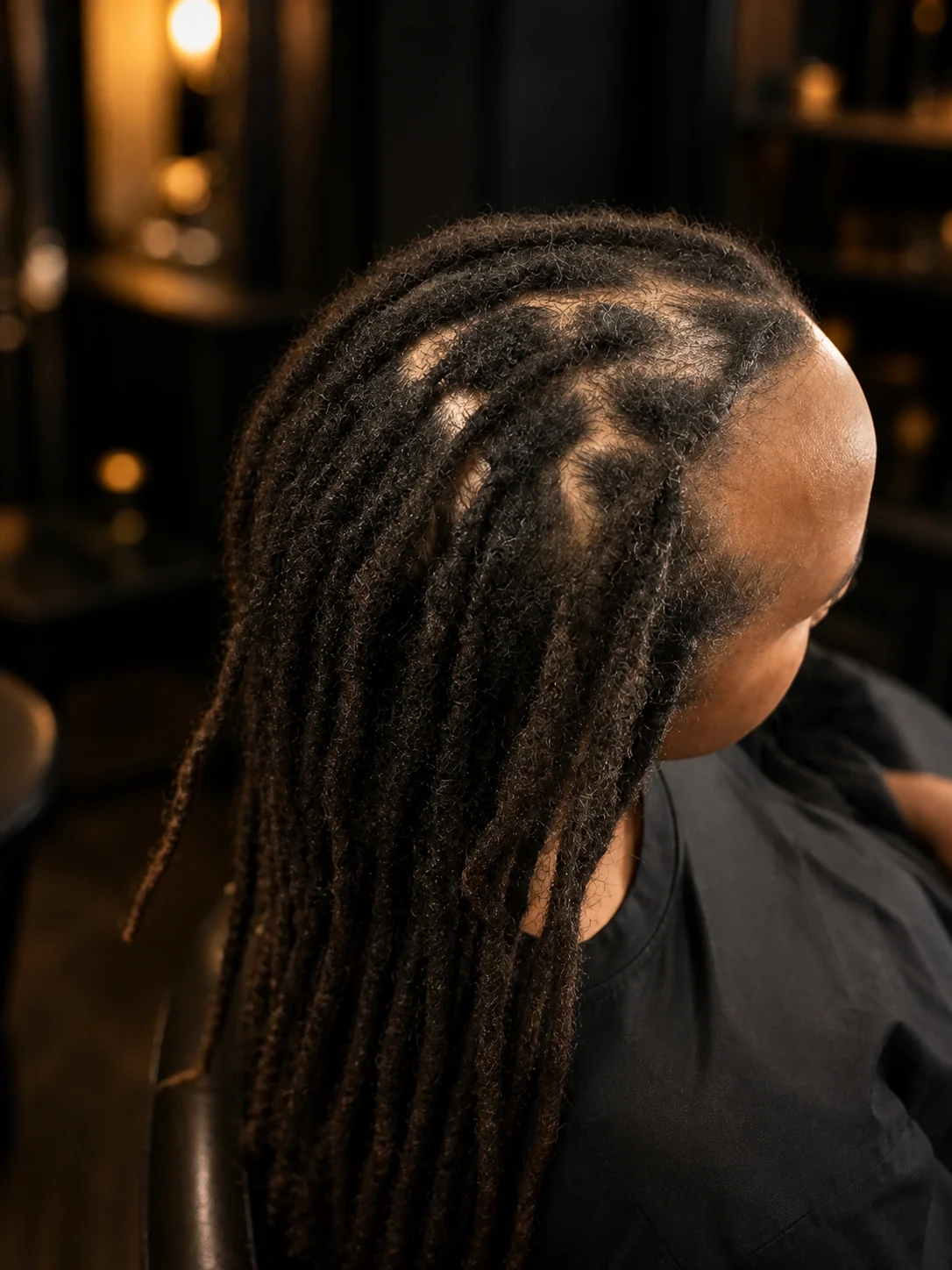
A documented repair story showing matted new growth before service and a cleaner, separated crown afterward.
Book this serviceWhere repair may help
Reinforcement or bridge work may support a compromised area when the surrounding foundation is strong enough.
Reattachment may be possible with saved locs or appropriately matched hair after the attachment area is assessed.
Merging, irregular sections, previous extensions, heavy buildup, or widespread damage may need a staged plan rather than a single repair appointment.
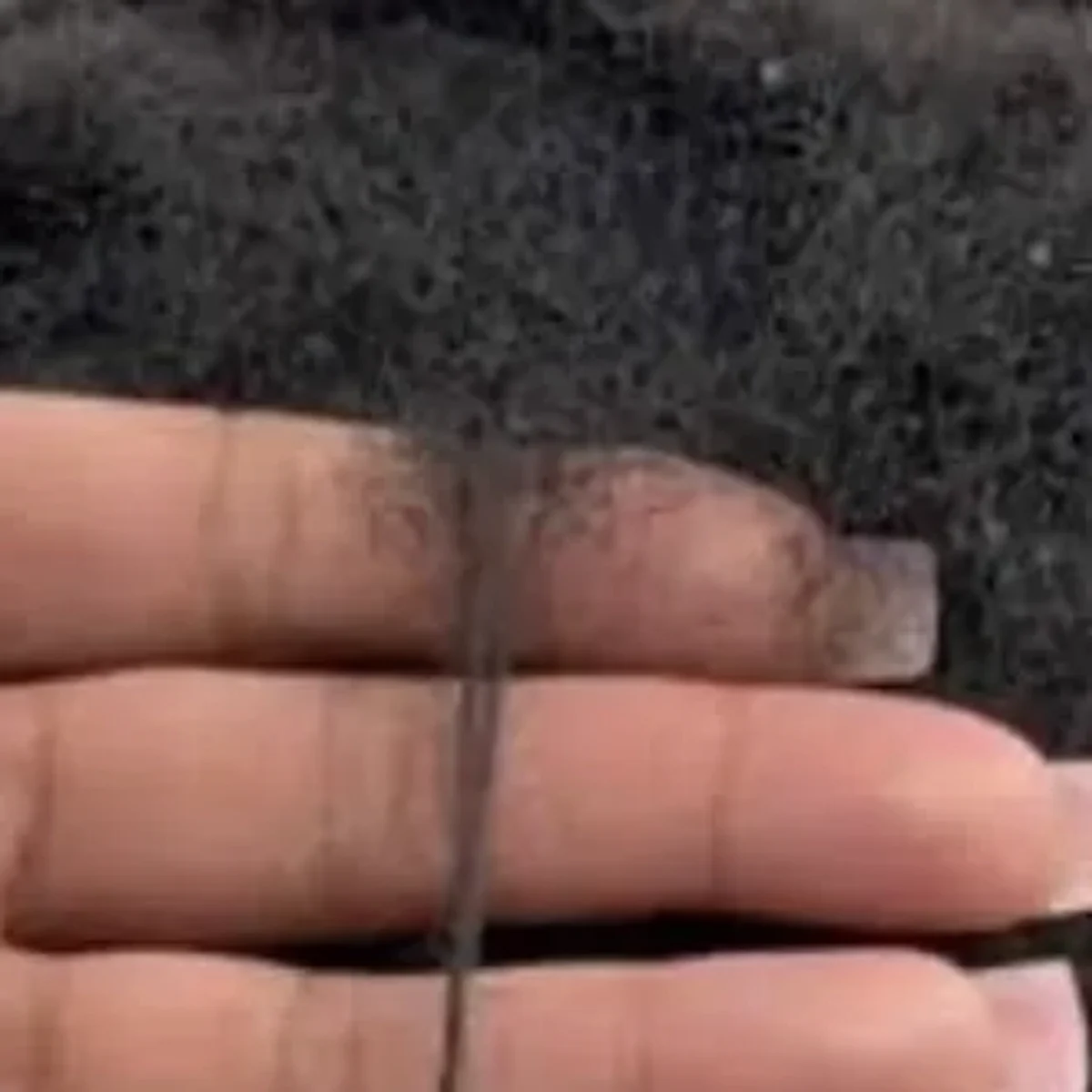
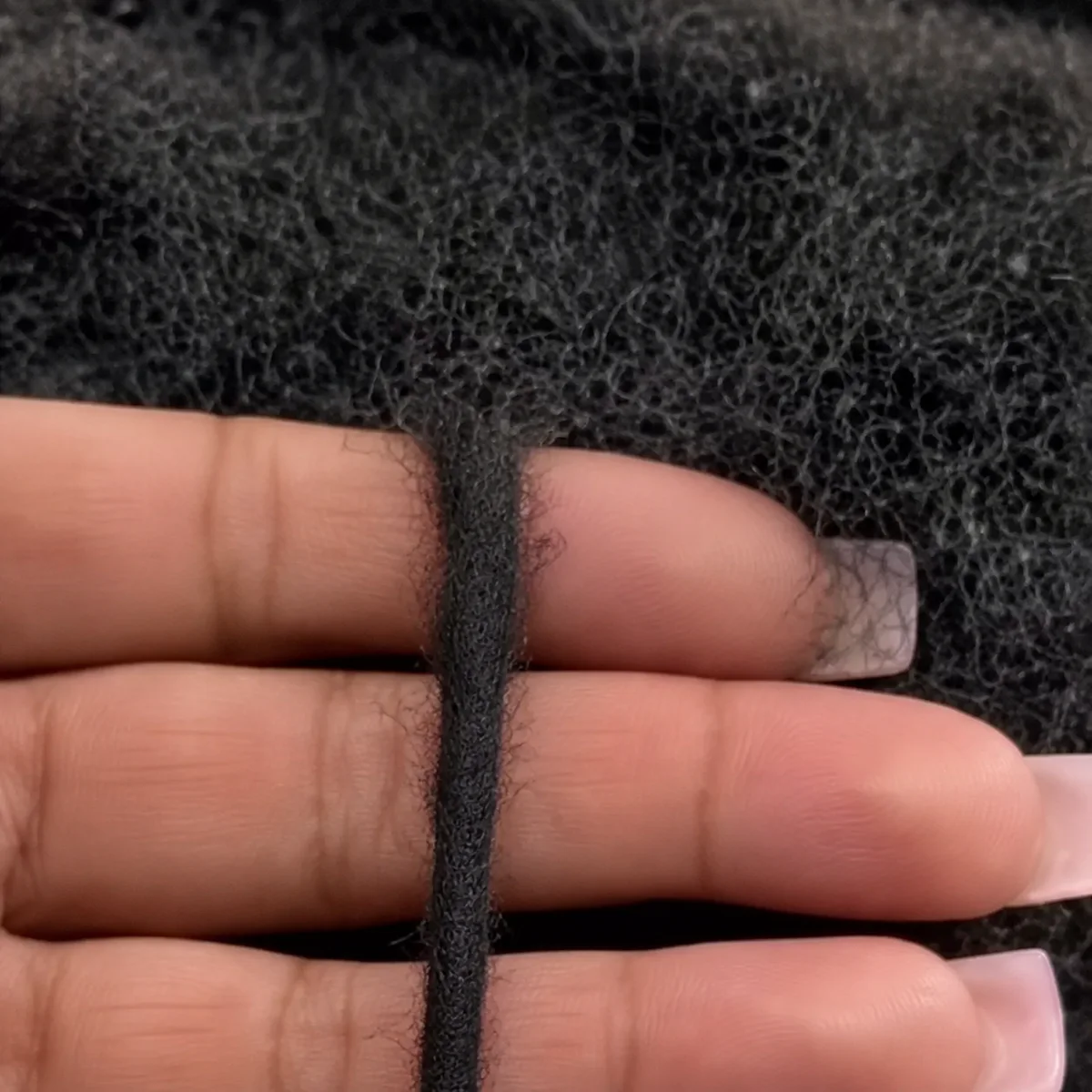
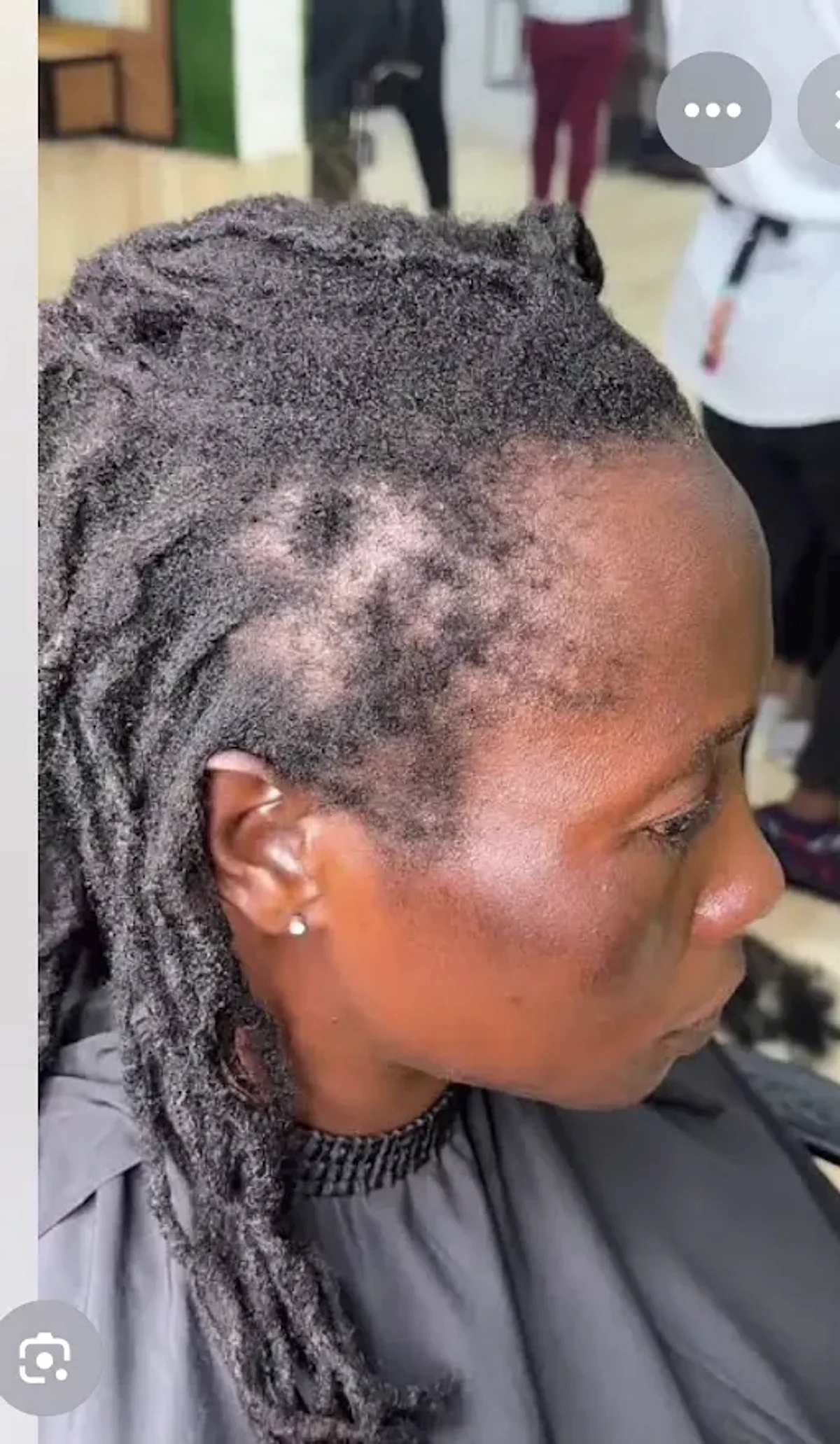
What repair may address
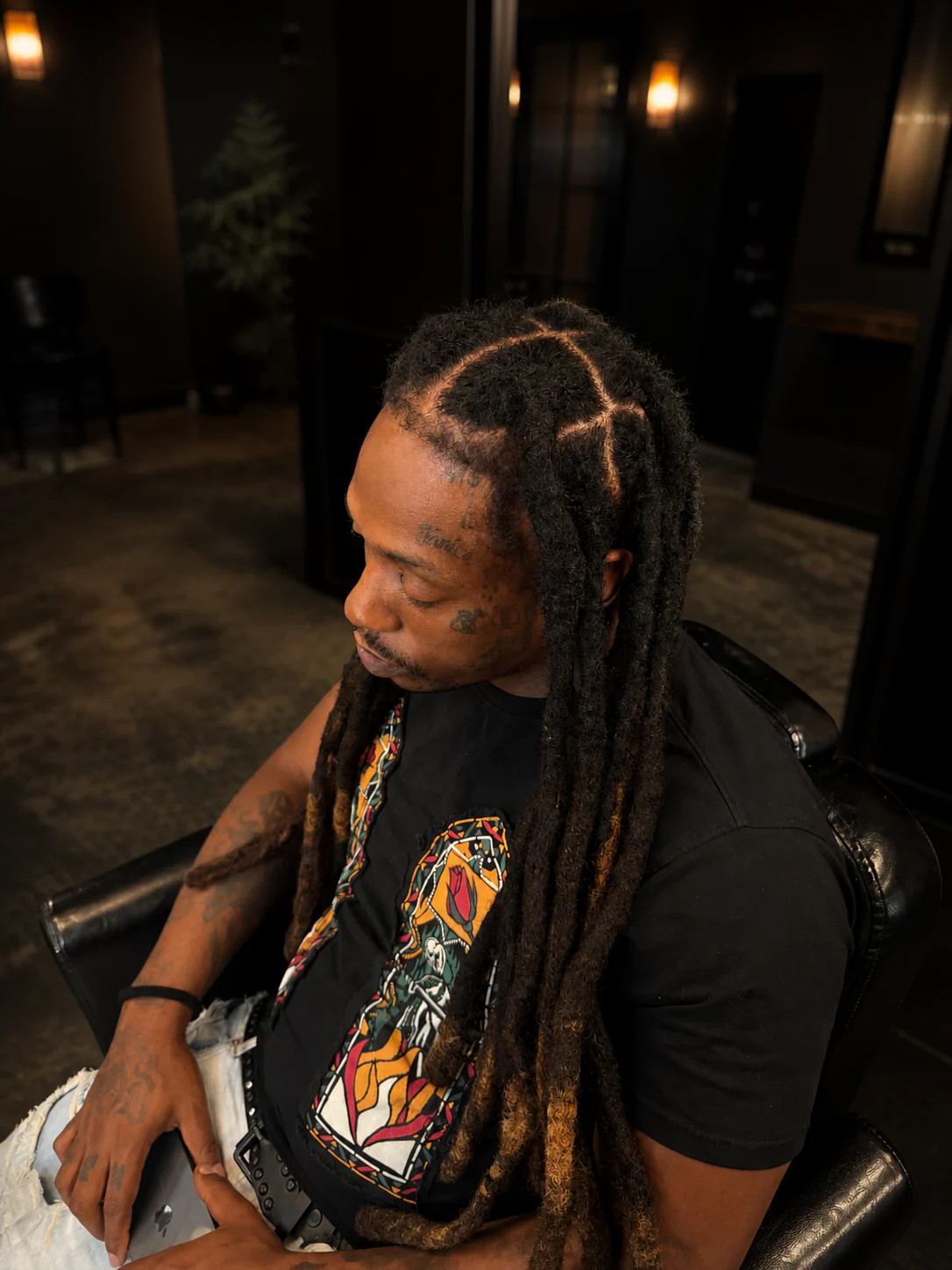
The left images are real repair concerns. The right images are clearly marked illustrative goals created to explain the service, not documented client outcomes or guaranteed results.


How it works
Share when the issue began, prior repairs, chemical or color history, tension styles, health changes, and the maintenance routine.
The salon evaluates the root, neighboring locs, scalp, breakage pattern, saved locs, and whether the area can support repair.
The plan may include cleansing, maintenance, reduced tension, targeted reinforcement, reattachment, trimming, or a staged return visit.
Aftercare and future maintenance matter as much as the repair itself. Follow the salon's guidance for tension, products, cleansing, and timing.
An honest boundary
Not every loc or thinning area can safely support reattachment or reinforcement. Results depend on the remaining foundation and the cause of the damage. The salon may recommend waiting, changing the style, removing weight, addressing scalp or health concerns, or choosing another direction.
Start with what is true
For one or two straightforward repairs, open the repair service. For thinning areas, multiple missing locs, previous extensions, or widespread damage, consult first.